
Market takeaway
Read the headline with transaction context
Market stories are more useful when checked against recent transaction volume, price movement and community-level evidence.
Published by PropertyStellar Editorial Team. Updated 5 September 2026. Read our editorial policy and research methodology.
Table of Contents
- Why Dubai Real Estate Is Becoming a Data-First Market in 2026
- What Does a Data-First Property Market Mean?
- Dubai’s Digital Real Estate Transformation
- Why Data Matters More Than Ever
- The Rise of Artificial Intelligence in Real Estate
- Infrastructure Data Is Driving Investment Decisions
- Population Growth and Demand Analytics
- The Role of Rental Yield Analytics
- Developers Are Using Data Too
- Why International Investors Appreciate Dubai’s Data Ecosystem
- Key Data Trends Shaping Dubai Real Estate Through 2030
- What Data-Savvy Investors Focus On
- FAQs
Why Dubai Real Estate Is Becoming a Data-First Market in 2026
Dubai’s real estate sector has evolved significantly over the past decade. While location, lifestyle, and infrastructure remain important factors, investors today increasingly rely on something equally powerful: data.
From transaction records and rental performance metrics to population growth trends and infrastructure developments, data is helping buyers make more informed property decisions than ever before.
As Dubai continues implementing smart city initiatives and digital transformation programs, the market is rapidly becoming one of the world’s most transparent and data-driven real estate ecosystems.
For investors, developers, and homebuyers, understanding this shift can provide a valuable advantage in identifying opportunities and planning long-term strategies.
What Does a Data-First Property Market Mean?
A data-first market is one where decisions are increasingly guided by measurable insights rather than assumptions alone.
Today’s investors can evaluate:
- Historical transaction trends
- Rental yield performance
- Community growth rates
- Occupancy levels
- Infrastructure developments
- Population expansion
- Supply and demand dynamics
Rather than relying solely on market sentiment, buyers now have access to extensive information that supports evidence-based decision-making.
Dubai’s Digital Real Estate Transformation
Dubai has invested heavily in digital infrastructure and real estate transparency.
Several government-led initiatives have helped improve market visibility and accessibility.
Key advancements include:
- Digital property registration
- Online transaction tracking
- Smart government services
- Advanced land department platforms
- Real-time market reporting
- Enhanced investor accessibility
These developments have contributed to greater confidence among local and international investors.
Why Data Matters More Than Ever
1. Improved Investment Decisions
Modern investors increasingly compare communities using measurable performance indicators.
Common metrics include:
- Rental yields
- Occupancy rates
- Price appreciation
- Infrastructure growth
- Tenant demand
For example:
| Community | Approximate Rental Yield (2026) |
|---|---|
| Jumeirah Village Circle (JVC) | 7% – 9% |
| Al Furjan | 6.5% – 8% |
| Business Bay | 6% – 8% |
| Dubai Hills Estate | 5% – 7% |
| Dubai Marina | 5% – 7% |
These figures help investors identify communities that align with their financial goals.
2. Greater Market Transparency
One of Dubai’s strengths is its growing access to transaction data.
Investors can analyze:
- Recent sales activity
- Historical pricing trends
- Community performance
- Market cycles
- Property demand patterns
This level of transparency supports more confident investment planning.
3. Smarter Rental Market Analysis
Rental demand is increasingly evaluated through data-driven indicators.
Investors now examine:
- Vacancy levels
- Tenant demographics
- Average rental returns
- Population movement
- Infrastructure improvements
This helps identify areas where rental demand may continue strengthening over time.
The Rise of Artificial Intelligence in Real Estate
Artificial intelligence is becoming an important tool across the property sector.
AI-powered systems can help analyze:
- Market trends
- Investment opportunities
- Price patterns
- Demand forecasts
- Community performance
- Buyer behavior
While human expertise remains essential, technology is helping investors process larger volumes of information more efficiently.
Infrastructure Data Is Driving Investment Decisions
Many of Dubai’s strongest-performing communities are supported by major infrastructure projects.
Dubai South
Growth supported by:
- Al Maktoum International Airport expansion
- Logistics and business hubs
- Residential developments
Dubai Creek Harbour
Growth supported by:
- Waterfront master planning
- Metro connectivity enhancements
- Retail and lifestyle projects
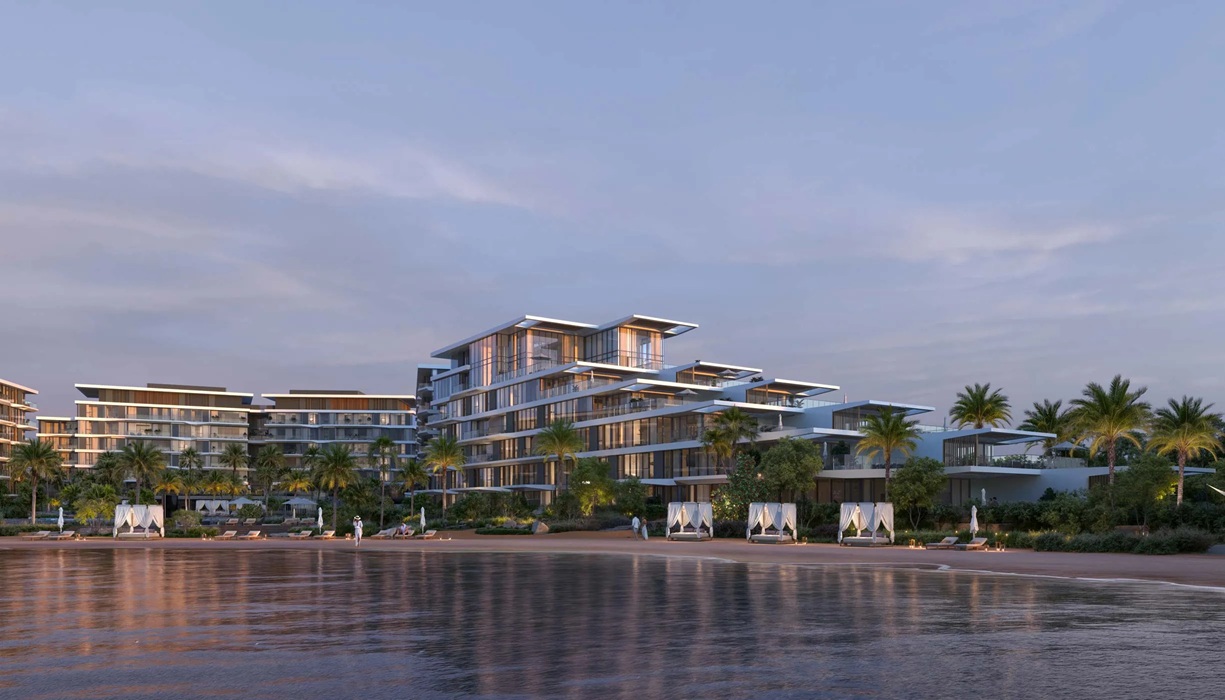
Palm Jebel Ali
Growth supported by:
- New luxury waterfront developments
- Tourism expansion
- Long-term infrastructure investment
Investors increasingly monitor these developments before making purchase decisions.
Population Growth and Demand Analytics
Dubai’s population continues expanding, creating ongoing demand for housing.
Data points investors frequently analyze include:
- Population growth forecasts
- Employment trends
- Skilled professional migration
- Tourism growth
- Business expansion
These indicators help estimate future housing demand across different communities.
The Role of Rental Yield Analytics
Rental yield remains one of the most important investment metrics.
Investors often compare:
High-Yield Communities
- JVC
- Al Furjan
- Arjan
- Dubai South
Approximate yields:
7%–9%
Premium Lifestyle Communities
- Dubai Hills Estate
- Dubai Marina
- Downtown Dubai
Approximate yields:
5%–7%
This comparison helps investors balance income generation with long-term capital appreciation.
Developers Are Using Data Too
Leading developers increasingly rely on data when planning new communities.
They analyze:
- Buyer preferences
- Lifestyle trends
- Wellness demand
- Sustainability goals
- Transportation patterns
- Family housing requirements
As a result, many new developments are designed around actual market demand rather than assumptions.
Why International Investors Appreciate Dubai’s Data Ecosystem
Global investors often prioritize markets where information is accessible and transparent.
Dubai’s digital ecosystem allows investors to review:
- Community performance
- Market activity
- Infrastructure plans
- Rental trends
- Development pipelines
This accessibility supports informed investment decisions from anywhere in the world.
Key Data Trends Shaping Dubai Real Estate Through 2030
Several long-term trends are expected to influence future market activity:
Smart City Development
Dubai continues investing in technology-driven urban infrastructure.
Wellness Communities
Health-focused master-planned communities continue gaining popularity.
Sustainable Development
Energy-efficient buildings and green spaces are becoming increasingly important.
Transit-Oriented Growth
Metro expansions and transportation projects continue influencing property demand.
Waterfront Expansion
New coastal and waterfront developments remain major investment drivers.
What Data-Savvy Investors Focus On
Experienced investors often evaluate:
- Rental yield trends
- Capital appreciation history
- Infrastructure projects
- Developer track records
- Population growth
- Community occupancy
- Future supply pipelines
These metrics provide a broader understanding of long-term market potential.
Dubai’s real estate market is entering a new era where data plays an increasingly important role in investment decisions. Enhanced transparency, digital platforms, infrastructure analytics, and technology-driven insights are helping investors make more informed choices.
While traditional factors such as location and lifestyle remain essential, data is becoming a powerful tool for identifying opportunities, managing risk, and planning long-term growth.
As Dubai continues advancing its smart city vision and expanding its real estate ecosystem, data-driven decision-making is expected to become an even more significant component of successful property investing.
FAQs
1. What is a data-first real estate market?
A data-first real estate market uses measurable information such as transaction history, rental yields, demand trends, and infrastructure developments to support investment decisions.
2. Why is Dubai becoming more data-driven?
Dubai has invested significantly in digital government services, property technology, market transparency, and smart city initiatives, making real estate information more accessible than ever.
3. How does data help property investors?
Data helps investors evaluate rental income potential, market performance, community growth, pricing trends, and future development opportunities.
4. Which data points are most important for Dubai property investment?
Many investors focus on rental yields, capital appreciation trends, occupancy rates, population growth, infrastructure projects, and developer performance.
5. Will data continue shaping Dubai real estate in the future?
Yes. As technology, artificial intelligence, digital platforms, and smart city initiatives continue advancing, data is expected to play an even greater role in Dubai’s real estate market through 2030 and beyond.
From reading to deciding
Turn this into a Dubai investment shortlist
Use real market data, area intelligence, and a guided journey to move from this article to a focused decision.