
Location takeaway
Location value is stronger with nearby evidence
Use the place information here with community guides, schools, amenities and transaction evidence to decide whether the area fits your investment brief.
Table of Contents
- Dubai vs Abu Dhabi Rental Yield Comparison (2026)
- Understanding Rental Yield
- Dubai vs Abu Dhabi: Average Rental Yield Comparison
- Why Dubai Attracts Yield-Focused Investors
- Why Abu Dhabi Appeals to Investors
- Rental Yield Leaders: Community Comparison
- Rental Demand: Dubai vs Abu Dhabi
- Capital Appreciation Potential
- Which City Is Better for Different Investor Types?
- What Smart Investors Analyze Beyond Yield
- How Data Helps Investors Compare Cities
- FAQs
Dubai vs Abu Dhabi Rental Yield Comparison (2026)
The UAE remains one of the world's most attractive real estate investment destinations, with both Dubai and Abu Dhabi offering strong opportunities for rental income and long-term growth. For investors, one question continues to stand out: Should you invest in Dubai or Abu Dhabi for better rental yields? While both cities provide attractive returns, they differ in terms of rental demand, property prices, tenant profiles, growth potential, and investment strategies. This guide compares Dubai and Abu Dhabi rental yields in 2026 to help investors make more informed decisions.Understanding Rental Yield
Rental yield measures the annual rental income generated by a property relative to its purchase price.Formula
Rental Yield (%) = Annual Rental Income ÷ Property Value × 100 For example:- Property Value: AED 1 million (approximately)
- Annual Rent: AED 70,000 (approximately)
Dubai vs Abu Dhabi: Average Rental Yield Comparison
Average Rental Yield Comparison (2026)
Approximate average residential rental yields in Dubai and Abu Dhabi.| City | Average Rental Yield |
|---|---|
| Dubai | 6% – 8% |
| Abu Dhabi | 5.5% – 8% |
Why Dubai Attracts Yield-Focused Investors
Dubai continues to be one of the world's most active real estate markets.Key Advantages
- Large international population
- Strong tourism sector
- Diverse property options
- High transaction activity
- Global investor interest
- Expanding business ecosystem
Top Rental Yield Communities in Dubai
Jumeirah Village Circle
Approximate Yield: 7% – 9%Why Investors Like It
- Strong tenant demand
- Competitive entry prices
- Family-friendly environment
- High transaction activity
Arjan
Approximate Yield: 6.5% – 8%Key Benefits
- Growing residential demand
- Modern developments
- Strong connectivity
- Expanding amenities
Dubai South
Approximate Yield: 6% – 8%Investment Highlights
- Major infrastructure projects
- Expo City influence
- Growing workforce population
- Long-term growth potential
Why Abu Dhabi Appeals to Investors
Abu Dhabi offers a more mature and stable residential market supported by government investment and long-term economic planning.Key Advantages
- High-quality communities
- Strong infrastructure
- Growing professional workforce
- Lifestyle-focused developments
- Long-term market stability
Top Rental Yield Communities in Abu Dhabi
Al Reef
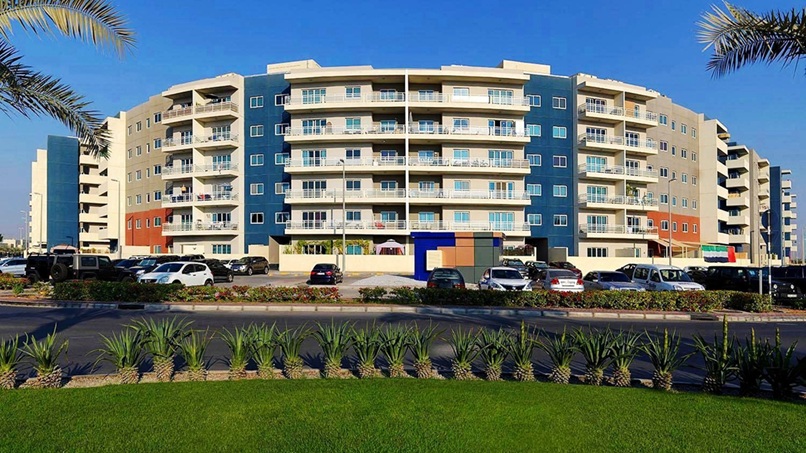
Why It Performs Well
- Affordable entry prices
- Consistent tenant demand
- Established community
Al Ghadeer
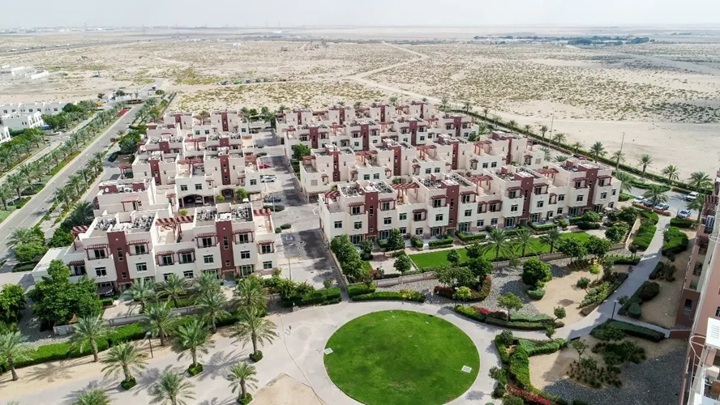
Investor Advantages
- Strategic location
- Growing population
- Attractive pricing
Al Reem Island
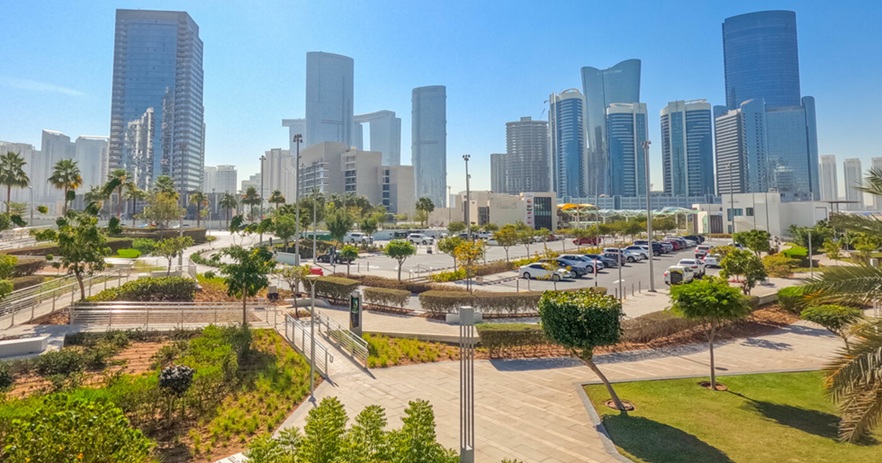
Key Strengths
- Modern developments
- Professional tenant base
- Urban lifestyle appeal
Rental Yield Leaders: Community Comparison
| Community | Approximate Yield |
|---|---|
| JVC (Dubai) | 7% – 9% |
| Al Reef (Abu Dhabi) | 7% – 8% |
| Arjan (Dubai) | 6.5% – 8% |
| Al Ghadeer (Abu Dhabi) | 6.5% – 8% |
| Dubai South (Dubai) | 6% – 8% |
| Al Reem Island (Abu Dhabi) | 6% – 7% |
Rental Demand: Dubai vs Abu Dhabi
Dubai
Strong demand from:- International professionals
- Entrepreneurs
- Digital nomads
- Tourists
- Corporate employees
Abu Dhabi
Strong demand from:- Government professionals
- Corporate employees
- Long-term residents
- Families
- Healthcare and education professionals
Capital Appreciation Potential
While rental yield is important, many investors also consider future value growth.Dubai
Often benefits from:- International investment
- Tourism growth
- New mega-projects
- Higher transaction volumes
Abu Dhabi
Often benefits from:- Infrastructure investment
- Economic diversification
- Long-term development strategies
- Stable residential demand
Which City Is Better for Different Investor Types?
Income-Focused Investors
May find attractive opportunities in:- Jumeirah Village Circle
- Al Reef
- Arjan
Growth-Focused Investors
May explore:- Dubai South
- Dubai Creek Harbour
- Yas Island
What Smart Investors Analyze Beyond Yield
Successful investors typically evaluate:Property Metrics
- Rental yield
- Occupancy rates
- Service charges
- Tenant demand
Community Metrics
- Population growth
- Infrastructure projects
- New developments
- Accessibility
Market Metrics
- Transaction activity
- Price trends
- Future supply pipeline
- Community popularity
How Data Helps Investors Compare Cities
Modern investors increasingly rely on data rather than assumptions. By analyzing:- Rental yield trends
- Community performance
- Transaction activity
- Growth indicators
- Infrastructure development
FAQs
1. Which city offers higher rental yields, Dubai or Abu Dhabi?
2. Is Dubai better for rental property investment?
3. Is Abu Dhabi a good market for rental income?
4. Should investors focus only on rental yield?
5. How can investors compare Dubai and Abu Dhabi communities?
Investor next steps
Use this article with market evidence
If this topic affects a Dubai property decision, continue with the most relevant PropertyStellar research pages below.
From reading to deciding
Turn this into a Dubai investment shortlist
Use real market data, area intelligence, and a guided journey to move from this article to a focused decision.