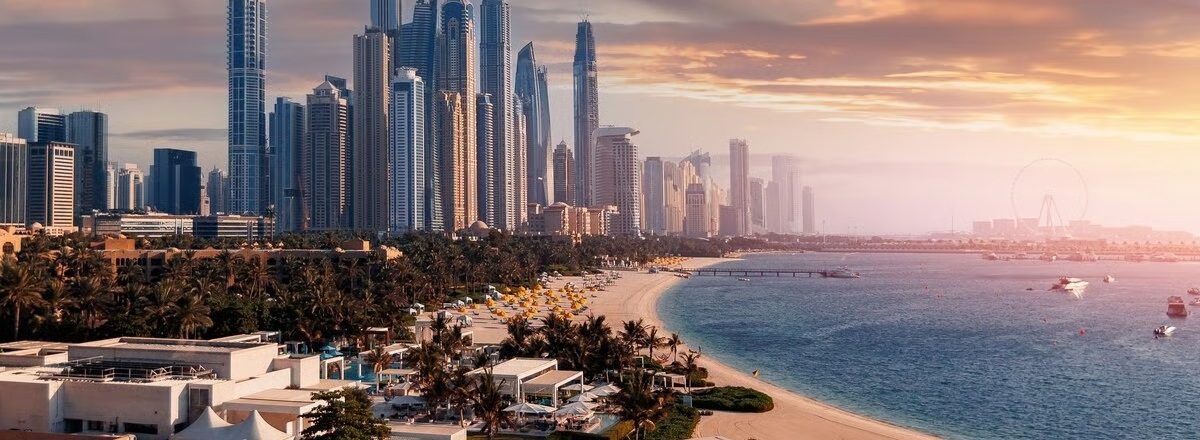
Dubai’s real estate market is entering a new era of strategic, data-driven growth. Between 2026 and 2030, the market is expected to evolve from rapid expansion to sustainable, opportunity-rich investment cycles.
For investors, this means one thing:
Smarter selection will outperform broad market buying
Table of Contents
- Market Overview: From Boom to Sustainable Growth
- Key Drivers Shaping the Market (2026–2030)
- Rental Market Outlook (2026–2030)
- Property Segments Set to Outperform
- High-Growth Areas to Watch (2026–2030)
- The “Selective Growth” Era (Key Insight)
- Investor Strategy for 2026–2030
- Long-Term Outlook: Why Dubai Remains Strong
- FAQs
1. Market Overview: From Boom to Sustainable Growth
After strong growth in recent years, Dubai is transitioning into a balanced and mature market phase.
Expected price growth (2026):
- 4% – 7% average across the market
- 6% – 10% in prime areas
Long-term outlook (2026–2030):
- 5% – 8% annual growth trend
What this means:
- Stable appreciation
- Lower volatility
- Strong long-term investment confidence
2. Key Drivers Shaping the Market (2026–2030)
Population Growth = Strong Demand
- Dubai population expected to approach 5 million by 2030
- Driven by global talent, investors, and entrepreneurs
More residents = more housing demand
Massive Infrastructure Expansion
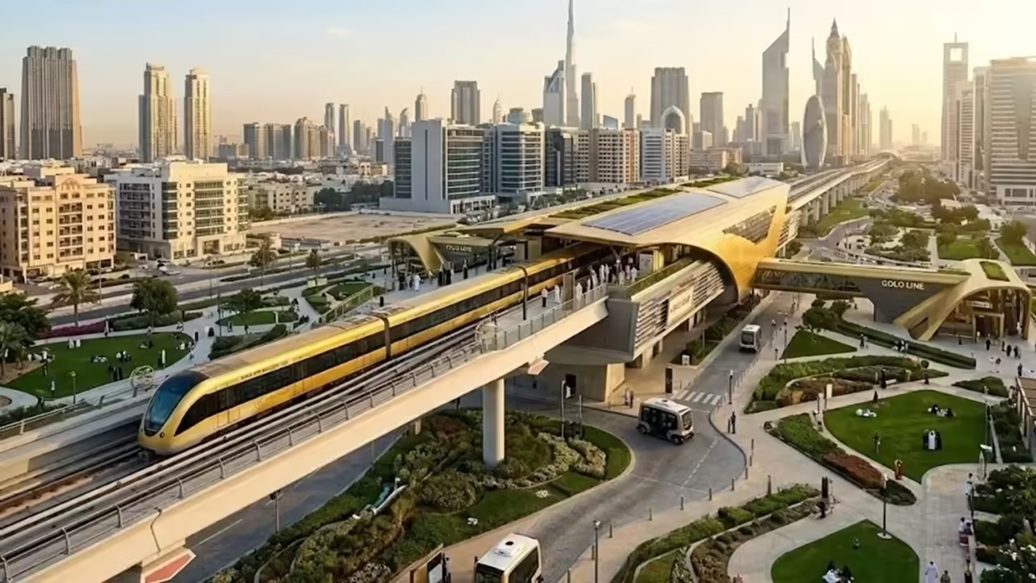
Recent developments like the Dubai Metro Gold Line project highlight long-term connectivity growth.
Impact on property:
- Increased property values near transit corridors
- Higher rental demand in connected communities
Supply Expansion (But Controlled)
- Around 390,000 new homes expected by 2030
Impact:
- Balanced price growth
- More choices for investors
- Focus shifts to quality assets
Strong Economic Fundamentals
- Business-friendly environment
- Golden Visa attracting global investors
- Increasing corporate relocations
Result: sustained real estate demand
3. Rental Market Outlook (2026–2030)
Rental growth (2026):
- 6% – 8% increase in key areas
Long-term trend:
- High rental demand from expatriates
- Strong yields compared to global cities
Best-performing segments:
- Mid-market apartments
- Family villas
- Short-term rental units
4. Property Segments Set to Outperform
Villas & Townhouses
- Increasing demand from families
- Limited supply compared to apartments
Strong long-term appreciation potential
Waterfront & Luxury Properties
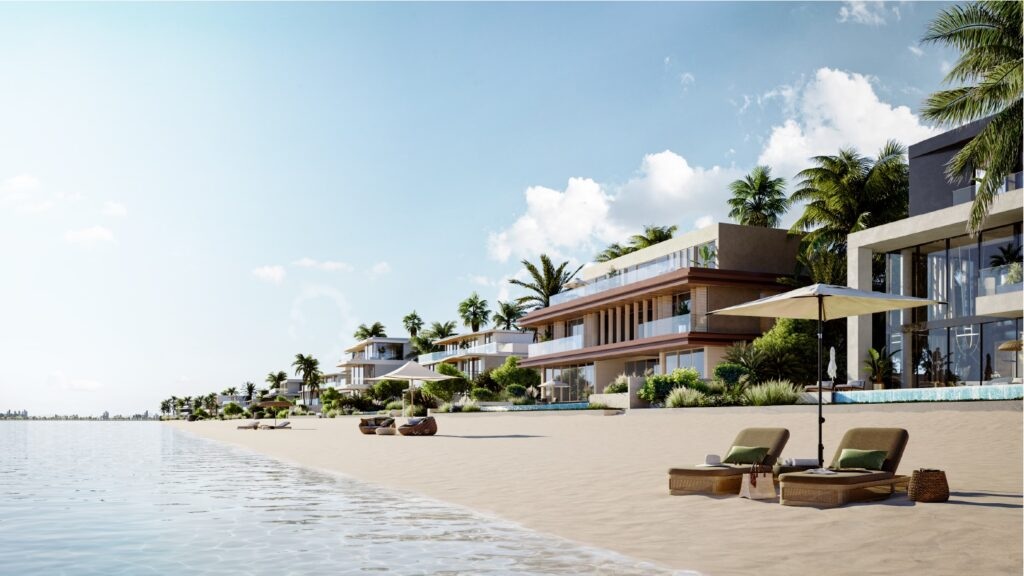
- High demand from global investors
- Limited availability
Expected: premium price growth
Mid-Market Communities
- Backbone of rental demand
- High occupancy rates
Ideal for consistent ROI
Off-Plan Developments
- Flexible payment plans
- Early entry pricing
Expected to dominate transactions (60%+)
5. High-Growth Areas to Watch (2026–2030)
Emerging Growth Corridors:
- Dubai South
- Dubailand
- Arjan
Driven by infrastructure and affordability
Premium & Appreciation Zones:
- Dubai Creek Harbour
- Palm Jumeirah
Limited supply + lifestyle appeal
Balanced Investment Hubs:
- Business Bay
- Jumeirah Village Circle
Mix of yield + appreciation
6. The “Selective Growth” Era (Key Insight)
Between 2026 and 2030, Dubai will not grow uniformly.
What wins:
- Prime locations
- Strong developers
- Infrastructure-connected communities
What investors should focus on:
- Micro-location analysis
- Supply vs demand balance
- Tenant-driven demand
7. Investor Strategy for 2026–2030
Smart Investment Approach:
1. Combine Yield + Growth
- Buy in high-yield areas for income
- Invest in growth zones for appreciation
2. Focus on Infrastructure Corridors
- Metro expansions
- Airport developments
3. Prioritize Quality Over Price
- Developer reputation
- Building management
- Community planning
8. Long-Term Outlook: Why Dubai Remains Strong
- Global safe-haven for capital
- Tax-efficient investment environment
- Continuous innovation and infrastructure
- Strong population and economic growth
These factors position Dubai as a top global real estate destination through 2030
The Dubai real estate market from 2026 to 2030 is defined by:
- Sustainable growth (5–8% annually)
- Increasing demand from global investors
- Infrastructure-driven expansion
- Selective, high-quality investment opportunities
The winning strategy is clear:
Invest where growth, demand, and infrastructure intersect.
FAQs
Will Dubai property prices rise by 2030?
Yes, steady growth of around 5%–8% annually is expected.
Is 2026 a good time to invest in Dubai?
Yes, the market is stable with strong long-term growth fundamentals.
Which property type is best for 2026–2030?
Villas, waterfront properties, and mid-market apartments perform well.
What drives Dubai real estate growth?
Population growth, infrastructure, and global investor demand.
What is the biggest opportunity for investors?
Emerging communities with strong infrastructure development.
From reading to deciding
Turn this into a Dubai investment shortlist
Use real market data, area intelligence, and a guided journey to move from this article to a focused decision.