Dubai vs Riyadh in 2026: Which City Offers the Better Investment Opportunity?
Sunday, 14 December 2025
The Gulf region is entering a landmark phase of transformation, and two cities stand at the forefront: Dubai and Riyadh.
Both markets offer strong potential in 2026—but for very different reasons.
Dubai provides stability, global maturity, and consistent liquidity.
Riyadh offers “ground-floor” opportunity in a fast-growing, reform-driven market.
The right choice ultimately depends on your investment style and risk appetite.
Here’s a clear, positive, and easy comparison to help you decide.
Table of Contents
- Riyadh: The High-Growth Market With Massive Transformation Ahead
- Dubai: The Global, Stable, and Highly Liquid Investment Hub
- Head-to-Head Comparison: Dubai vs Riyadh (2026)
- Which is Better for You?
- Frequently asked questions
Riyadh: The High-Growth Market With Massive Transformation Ahead
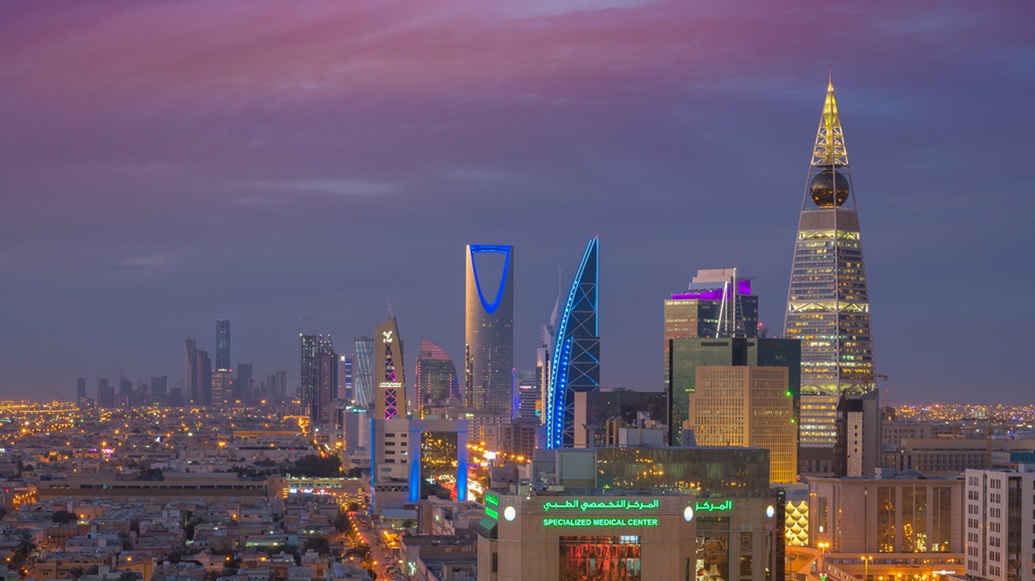
Riyadh is undergoing one of the most ambitious economic expansions in the world. Driven by national development goals, the city is rapidly evolving into a global powerhouse.
Why Riyadh Appeals to Growth-Focused Investors
1.Transformational Development Phase
Riyadh is in the middle of unprecedented government-backed progress.
Vast new districts, cultural zones, financial centers, and futuristic smart cities are reshaping the capital.
2.Foreign Ownership Opens New Doors (From 2026)
A key milestone for 2026:
Foreigners can buy property in designated zones, making Riyadh more accessible to global investors than ever before.
3.Affordable Entry Prices
Compared to mature global cities, Riyadh’s market remains more affordable.
This offers investors the chance to enter early and benefit from strong capital appreciation in the coming years.
4.Strong Domestic Demand
With a young and growing population, Riyadh has strong long-term housing demand, reducing bubble risks.
5.Attractive Rental Yields
Gross rental yields have been competitive, with levels around the 8–9% range in developing areas.
Dubai: The Global, Stable, and Highly Liquid Investment Hub
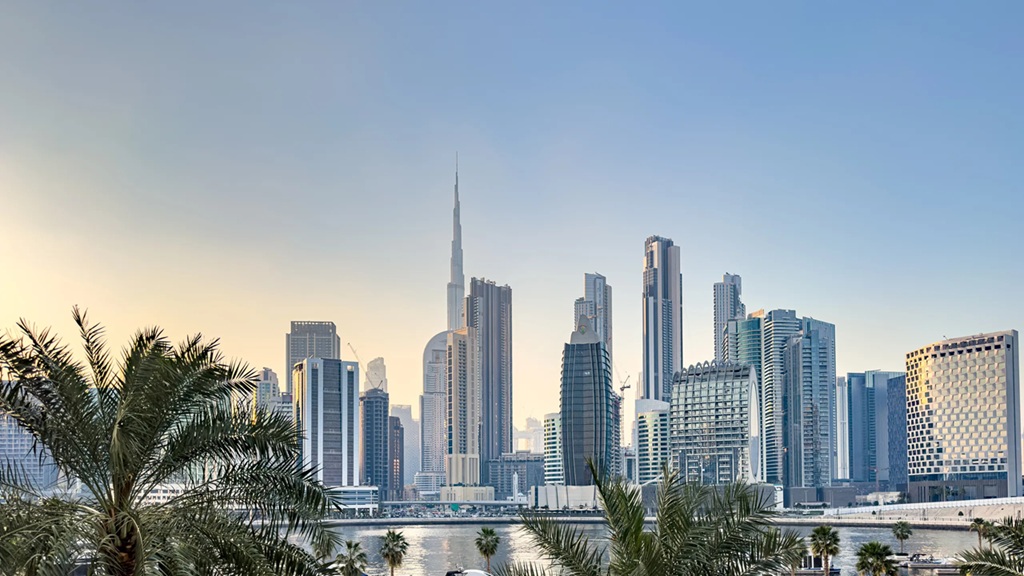
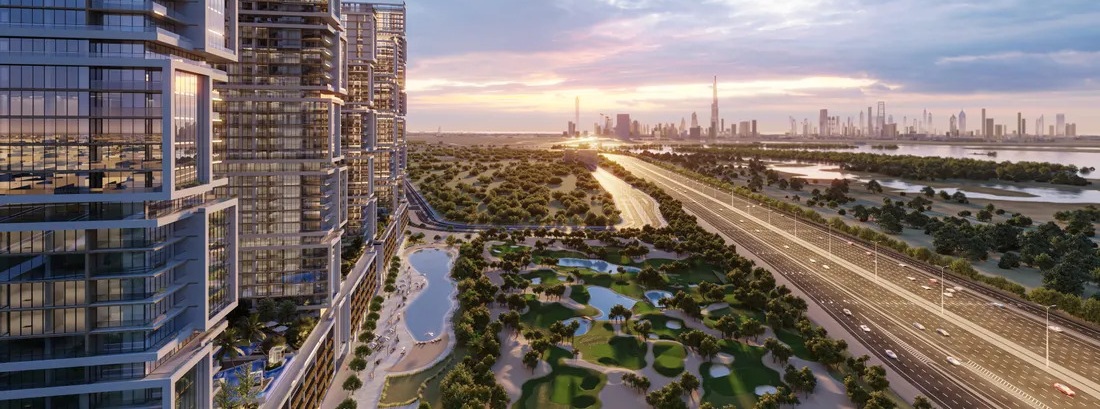
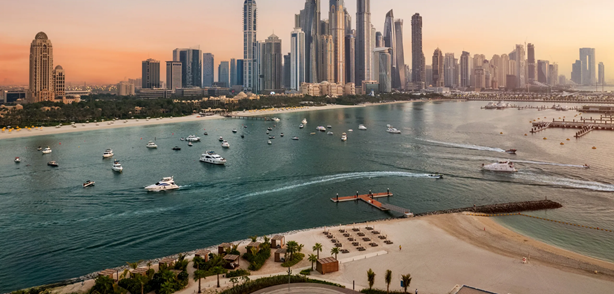
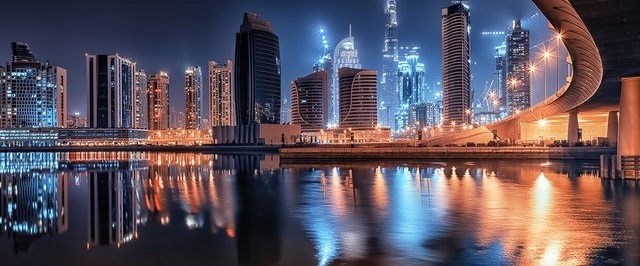
Dubai remains one of the world’s most attractive real estate markets, backed by its diversified economy and unmatched international appeal.
Why Dubai Appeals to Safety-Focused Investors
1.A Mature, Globally Connected Market
Dubai offers a well-established property sector with:
- Transparent regulations
- Strong investor protections
- High liquidity
This makes it easier to enter and exit the market.
2.Consistent Foreign Investment
Dubai allows foreign freehold property ownership across many districts.
Residency-linked investment options further support long-term demand.
3.Diverse, Resilient Economy
Dubai’s growth is powered by:
- Tourism
- Trade
- Technology
- Finance
- Rising expat population
These factors support long-term market stability.
4.Attractive Rental Returns
Average rental yields typically fall between 6–9%, depending on the area and property type.
5.Potential Oversupply in 2026—But Also Opportunities
While some residential segments may see increased supply, this can create:
- Buyer-friendly pricing
- Strong negotiation room
- Attractive off-plan opportunities
Head-to-Head Comparison: Dubai vs Riyadh (2026)
| Feature | Dubai | Riyadh |
|---|---|---|
| Market Type | Mature, globally connected | Emerging, high-growth |
| Foreign Ownership | Well established | Expanding in 2026 |
| Entry Price | Higher | More affordable |
| Rental Yields | 6–9% | 8–9% |
| Key Growth Drivers | Tourism, trade, finance, expat inflow | National transformation projects |
| Risk Level | Low to moderate | Moderate to high |
| Investment Style Fit | Stability seekers | High-growth investors |
Which is Better for You?
Both cities offer compelling opportunities—but for different investor profiles.
Choose Dubai if you want:
- Stability
- Liquidity
- A mature, internationally trusted market
- Consistent rental demand
Choose Riyadh if you want:
- High-growth potential
- Early-stage market entry
- Affordable pricing
- Potentially stronger long-term appreciation
Both markets can be part of a diversified Gulf investment strategy—but your choice should reflect your risk tolerance and long-term goals.
Frequently Asked Questions (FAQs)
Is Riyadh a safe market for foreign investors in 2026?
Yes, especially with new regulations allowing foreign ownership in designated zones. The market is evolving but offers strong growth prospects.
Does Dubai still offer good returns for investors?
Absolutely. Dubai’s stable rental yields, liquid market, and strong expat-driven demand make it consistently attractive.
Which market offers higher capital growth potential?
Riyadh, due to its early-stage transformation and extensive development pipeline.
Which market is better for long-term residency planning?
Dubai offers well-established residency options linked to property ownership.
Should investors consider both markets?
Yes. A diversified portfolio across Dubai and Riyadh can balance stability with high-growth potential.