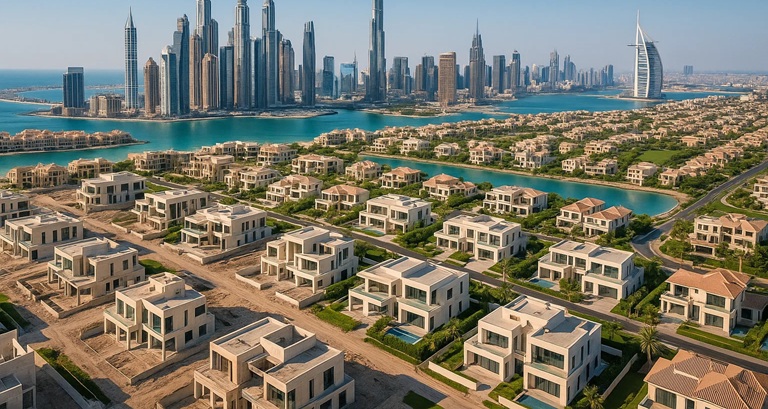
How to Analyze an Off-Plan Investment in Dubai
Wednesday, 10 June 2026
Table of Contents
- How to Analyze an Off-Plan Investment in Dubai
- What Is an Off-Plan Property?
- Why Off-Plan Investments Remain Popular
- Start with the Location
- Evaluate the Developer’s Track Record
- Analyze the Payment Plan
- Study Future Infrastructure Development
- Compare Launch Prices with Existing Market Values
- Understand Rental Demand Potential
- Assess Community Amenities
- Review the Master Plan
- Analyze Supply and Demand Dynamics
- Use Data-Driven Research
- Common Characteristics of Strong Off-Plan Investments
- FAQs
How to Analyze an Off-Plan Investment in Dubai
Off-plan properties continue to attract significant attention from investors in Dubai. With flexible payment plans, access to newly launched developments, and the potential for long-term value growth, off-plan investments have become an important part of the emirate’s real estate market.
However, successful investing requires more than simply choosing a project with an attractive brochure. The most successful investors carefully analyze every aspect of an off-plan opportunity before making a decision.
Understanding how to evaluate location, developer reputation, pricing, payment plans, infrastructure, and future demand can help investors identify projects with strong long-term potential.
In this guide, we’ll explore the key factors to consider when analyzing an off-plan investment in Dubai in 2026.
What Is an Off-Plan Property?
An off-plan property is a real estate unit purchased before construction is completed.
Investors typically buy based on:
- Project plans
- Floor layouts
- Developer specifications
- Master plans
- Construction timelines
Many off-plan projects offer phased payment schedules that allow buyers to spread payments over time.
Because investors enter before project completion, they often gain access to earlier pricing opportunities and a wider selection of units.
Why Off-Plan Investments Remain Popular
Dubai’s off-plan market continues to attract both local and international investors because of several advantages:
- Flexible payment plans
- Modern designs and amenities
- Potential for value growth during construction
- Access to emerging communities
- New infrastructure developments
- Diverse investment options
However, maximizing these benefits requires careful analysis.
1. Start with the Location
Location remains one of the most important factors in any real estate investment.
Even the most attractive project benefits from being situated in a strong community.
When evaluating location, consider:
- Accessibility
- Major road connections
- Nearby business districts
- Educational facilities
- Healthcare services
- Retail destinations
- Lifestyle amenities
Popular Off-Plan Growth Areas in 2026
Investors continue to monitor communities such as:
- Dubai South
- Dubai Creek Harbour
- The Valley
- Dubai Hills Estate
- Arjan
These locations continue to benefit from infrastructure investment and growing residential demand.
2. Evaluate the Developer’s Track Record
The developer plays a major role in the success of an off-plan project.
Before investing, review:
- Previous projects
- Delivery history
- Construction quality
- Community development experience
- Market reputation
A developer with a strong history of delivering projects on schedule and maintaining quality standards often provides greater investor confidence.
Questions to Ask
- How many projects has the developer completed?
- Are their communities performing well today?
- Do completed developments maintain strong demand?
A strong developer reputation can contribute significantly to long-term property value.
3. Analyze the Payment Plan
One of the biggest attractions of off-plan investments is the availability of flexible payment structures.
Common payment plans may include:
- Construction-linked installments
- Post-handover payment options
- Low initial booking amounts
- Extended payment schedules
When evaluating a payment plan, consider:
- Total investment commitment
- Cash flow requirements
- Financing strategy
- Long-term affordability
A well-structured payment plan can enhance investment flexibility.
4. Study Future Infrastructure Development
Infrastructure often influences future demand and property values.
Look for planned improvements such as:
- Transportation networks
- Metro expansions
- Road upgrades
- Retail centers
- Schools
- Healthcare facilities
- Entertainment attractions
Communities benefiting from significant infrastructure investment often attract increasing resident demand over time.
5. Compare Launch Prices with Existing Market Values
A useful analysis technique is comparing off-plan pricing with nearby completed properties.
Questions to consider:
- How does the launch price compare to completed projects?
- Is there room for future value growth?
- How competitive is the pricing within the community?
Investors often look for projects that offer attractive value relative to existing market conditions.
6. Understand Rental Demand Potential
Even if the goal is long-term appreciation, rental demand remains important.
Strong rental demand can contribute to:
- Income generation
- Higher occupancy potential
- Greater investor interest
- Long-term market resilience
Evaluate:
- Tenant demographics
- Employment hubs nearby
- Accessibility
- Community amenities
- Existing rental performance
Properties that appeal to both homeowners and tenants often enjoy broader market demand.
7. Assess Community Amenities
Today’s buyers and tenants increasingly prioritize lifestyle.
Communities with attractive amenities often generate stronger demand.
Look for:
- Parks and green spaces
- Fitness facilities
- Retail outlets
- Restaurants and cafés
- Walking trails
- Recreational areas
- Community centers
Lifestyle-focused communities continue to attract attention across Dubai’s residential market.
8. Review the Master Plan
The surrounding environment can be just as important as the property itself.
When reviewing a master plan, consider:
- Future phases
- Green space allocation
- Community design
- Traffic flow
- Retail integration
- Public spaces
- Long-term development vision
A thoughtfully designed master community often supports stronger long-term appeal.
9. Analyze Supply and Demand Dynamics
One of the most important investment considerations is future supply.
Investors should evaluate:
- Number of planned units
- Community population growth
- Demand trends
- Market absorption rates
- Nearby competing projects
Communities with balanced growth often offer attractive opportunities for investors.
10. Use Data-Driven Research
Modern investors increasingly rely on market intelligence rather than assumptions.
Key metrics include:
- Transaction activity
- Price trends
- Rental yields
- Community growth
- Population expansion
- Infrastructure development
Platforms such as Propertystellar.com help investors analyze off-plan opportunities, compare communities, and evaluate long-term investment potential using real market data.
This approach helps support more informed investment decisions.
Common Characteristics of Strong Off-Plan Investments
Many successful off-plan opportunities share several characteristics:
- Prime or emerging location
- Reputable developer
- Attractive payment plan
- Strong infrastructure support
- Lifestyle-oriented amenities
- Healthy demand outlook
- Long-term growth potential
Investors who evaluate these factors carefully often position themselves for stronger outcomes.
Off-plan properties continue to play an important role in Dubai’s real estate market. With flexible payment structures, modern developments, and access to emerging communities, they offer attractive opportunities for investors seeking long-term growth.
However, successful off-plan investing requires thorough analysis. Evaluating location, developer reputation, pricing, rental demand, infrastructure, and community planning can help investors make confident decisions.
As Dubai continues to expand and attract global investment in 2026, data-driven research remains one of the most effective tools for identifying high-potential opportunities.
For investors seeking deeper market insights, project comparisons, and community analytics, Propertystellar.com provides valuable resources to support smarter off-plan investment decisions.
FAQs
1. What is an off-plan property investment?
An off-plan investment involves purchasing a property before construction is completed, based on project plans, specifications, and development timelines.
2. Why do investors choose off-plan properties in Dubai?
Many investors are attracted by flexible payment plans, modern developments, access to emerging communities, and potential long-term value growth.
3. What is the most important factor when analyzing an off-plan project?
Location is one of the most important considerations, followed by developer reputation, infrastructure development, pricing, and future demand potential.
4. How can investors evaluate a developer?
Investors should review completed projects, delivery history, construction quality, community performance, and overall market reputation.
5. How can data help analyze an off-plan investment?
Platforms such as PropertyStellar.com provide insights into pricing trends, rental yields, transaction activity, community growth, and investment opportunities, helping investors make informed decisions.