Will Dubai Property Prices Drop Anytime Soon?
Sunday, 7 June 2026
Dubai’s real estate market continues attracting global attention through strong infrastructure growth, luxury developments, high rental yields, international investor demand, and long-term urban expansion plans.
As property prices continue rising across many communities, one of the most common questions buyers and investors ask is:
Table of Contents
- Will Dubai Property Prices Drop Anytime Soon?
- Dubai’s Property Market Is Driven by Strong Global Demand
- Infrastructure Growth Continues Expanding the Market
- Supply Growth Is Part of a Healthy Market
- Rental Demand Remains Strong Across Many Communities
- Luxury Properties Follow Different Market Dynamics
- Market Stabilization Is Normal in Real Estate
- Why Long-Term Investors Focus on Fundamentals
- Areas Likely to Stay Attractive Long-Term
- What Smart Buyers Usually Watch
- Dubai’s Real Estate Market Has Become More Mature
- FAQs
Will Dubai Property Prices Drop Anytime Soon?
The answer is more nuanced than a simple yes or no.
Like every major global real estate market, Dubai naturally moves through market cycles that include:
- Growth phases
- Stabilization periods
- Supply adjustments
- Long-term expansion trends
However, several powerful factors continue supporting Dubai’s property market and helping maintain strong long-term demand across many segments.
Here’s a simple breakdown of what currently influences Dubai property prices and what investors should understand moving forward.
Dubai’s Property Market Is Driven by Strong Global Demand
Dubai has evolved into one of the world’s leading destinations for:
- International investors
- Entrepreneurs
- High-net-worth individuals
- Remote professionals
- Luxury lifestyle buyers
- Tourism-driven investors
Why Global Demand Remains Strong
Dubai offers:
- Tax-efficient property ownership
- High-quality infrastructure
- Luxury waterfront communities
- Long-term residency opportunities
- Global business connectivity
- Lifestyle-driven investment appeal
✔ International demand continues supporting activity across both luxury and mid-market property segments.
Popular communities attracting strong investor attention include:
- Palm Jumeirah
- Dubai Hills Estate
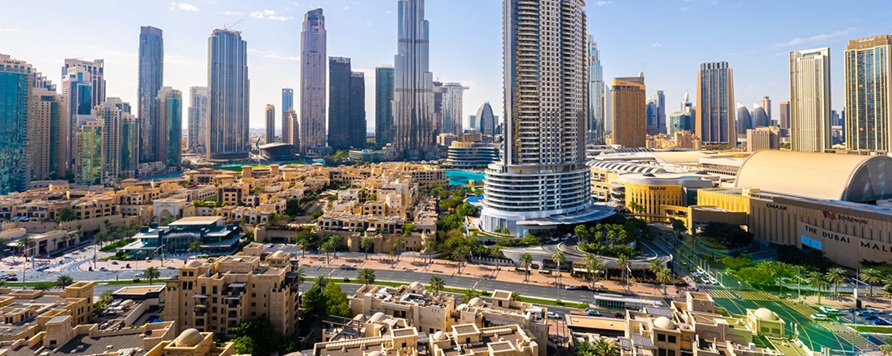
- Downtown Dubai
- Dubai Marina
Infrastructure Growth Continues Expanding the Market
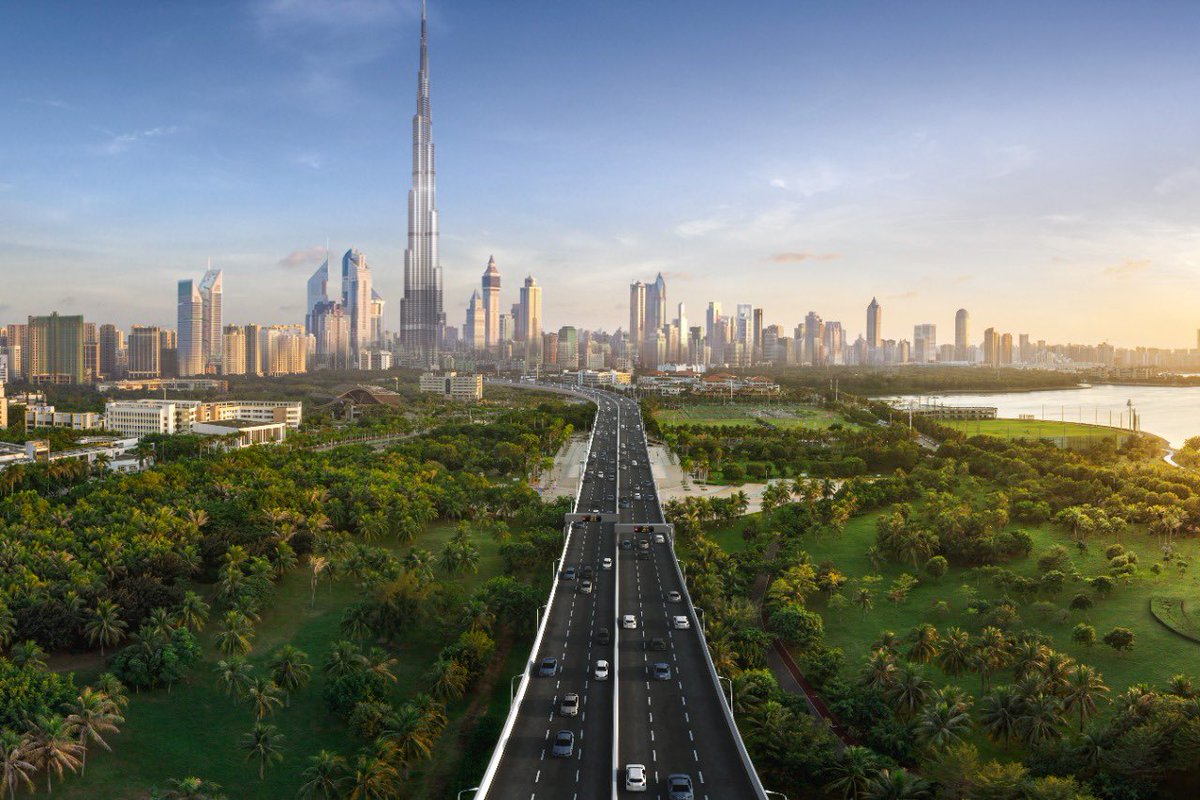
One of Dubai’s biggest strengths is its continuous investment in infrastructure and urban development.
Major long-term growth projects include:
- Al Maktoum International Airport expansion
- Dubai 2040 Urban Master Plan
- Dubai Metro Blue Line
These developments support:
- Population growth
- New business hubs
- Improved connectivity
- Future residential demand
✔ Infrastructure expansion often creates long-term support for property values.
Communities such as:
- Dubai South
- Dubai Creek Harbour
continue attracting investor attention due to future development potential.
Supply Growth Is Part of a Healthy Market
Dubai regularly launches new projects across:
- Luxury developments
- Waterfront communities
- Mid-market housing
- Family communities
- Off-plan projects
While increased supply may create more buyer options, it also helps:
- Expand the city
- Improve community diversity
- Support long-term population growth
- Enhance affordability across different segments
✔ Market expansion and new supply are natural parts of Dubai’s evolving real estate ecosystem.
Important Market Insight
Not all communities perform the same way.
Areas with:
- Strong connectivity
- Lifestyle appeal
- Limited prime inventory
- Established infrastructure
often maintain stronger demand compared to oversupplied segments.
Rental Demand Remains Strong Across Many Communities
Dubai’s growing population and international workforce continue supporting rental demand.
Many investors remain attracted by:
- Strong occupancy levels
- Stable rental income
- Lifestyle-driven tenant demand
Approximate Rental Yield Trends
Several Dubai communities continue offering:
✔ Around 6%–9% rental yields depending on location and property type.
High-demand rental communities may include:
- Jumeirah Village Circle
- Business Bay
- Dubai Marina
✔ Strong rental performance often supports long-term investor confidence.
Luxury Properties Follow Different Market Dynamics
Dubai’s luxury real estate market operates differently from the broader mid-market sector.
Ultra-prime areas such as:
- Palm Jumeirah
- Jumeirah Bay Island
- Emirates Hills
benefit from:
- Limited waterfront supply
- International luxury demand
- Trophy asset appeal
- Ultra-high-net-worth buyers
✔ Scarcity and exclusivity continue supporting premium luxury communities.
Market Stabilization Is Normal in Real Estate
Every property market naturally experiences periods of:
- Rapid growth
- Stabilization
- Rebalancing
- Long-term expansion
Stabilization phases can actually benefit the market by encouraging:
- Sustainable pricing
- Smarter investments
- Improved project quality
- Balanced demand
✔ Healthy markets often evolve through gradual adjustments rather than sudden shifts.
Why Long-Term Investors Focus on Fundamentals
Experienced investors often pay more attention to:
- Infrastructure growth
- Population trends
- Rental demand
- Economic expansion
- Developer quality
- Community maturity
rather than short-term price fluctuations alone.
Strong Long-Term Drivers in Dubai Include
- Tourism growth
- Global migration
- Business expansion
- Long-term visa programs
- Luxury lifestyle demand
- Strategic geographic location
✔ Long-term fundamentals continue playing a major role in Dubai’s real estate growth story.
Areas Likely to Stay Attractive Long-Term
Communities with strong fundamentals often include:
- Dubai Hills Estate
- Dubai Marina
- Business Bay
- Dubai Creek Harbour
- Palm Jumeirah
Common Growth Factors
- Metro access
- Waterfront appeal
- Lifestyle infrastructure
- Retail and hospitality hubs
- Long-term tenant demand
What Smart Buyers Usually Watch
Experienced buyers often monitor:
- Upcoming infrastructure
- Supply pipelines
- Community occupancy
- Rental yield trends
- Developer reputation
- Economic indicators
✔ Data-driven research often creates more confident investment decisions.
Dubai’s Real Estate Market Has Become More Mature
Compared to earlier years, Dubai’s property market today benefits from:
- Stronger regulations
- Greater transparency
- Escrow protection systems
- Improved developer oversight
- More diversified demand sources
Organizations such as:
Dubai Land Department
continue supporting the market’s long-term structure and transparency.
Dubai’s property market continues evolving through infrastructure growth, international demand, tourism expansion, and long-term urban development initiatives.
While real estate markets naturally experience periods of stabilization and adjustment, several strong fundamentals continue supporting Dubai’s long-term property sector, including:
- Global investor interest
- Population growth
- Luxury lifestyle demand
- Strong rental performance
- Infrastructure expansion
- International business appeal
Rather than focusing only on short-term price movement, many experienced investors prioritize location quality, rental demand, long-term infrastructure, and community fundamentals when evaluating opportunities in Dubai real estate.
FAQs
1. Will Dubai property prices continue growing?
Dubai’s property market continues benefiting from infrastructure expansion, international investor demand, and population growth, which support long-term market activity.
2. What factors influence Dubai property prices?
Key factors include infrastructure projects, tourism, rental demand, global investment activity, economic growth, and supply levels.
3. Which Dubai communities remain popular among investors?
Palm Jumeirah, Dubai Hills Estate, Downtown Dubai, Dubai Marina, Business Bay, and Dubai Creek Harbour continue attracting strong investor interest.
4. Are rental yields still attractive in Dubai?
Many Dubai communities continue offering approximate rental yields around 6%–9%, depending on location and property type.
5. Why do investors remain confident in Dubai real estate?
Dubai offers tax-efficient ownership, strong infrastructure, luxury lifestyle communities, global connectivity, and long-term urban development plans.