Where Is Dubai’s Property Market Heading Next?
Wednesday, 20 May 2026
Table of Contents
- Where Is Dubai’s Property Market Heading Next?
- Growth Is Stabilizing Into a More Sustainable Phase
- Long-Term Buyers Are Becoming the Dominant Force
- The Market Is Becoming More Tiered
- Ready Properties Are Gaining More Attention
- Infrastructure-Led Growth Will Shape Future Hotspots
- Data-Driven Investing Is Becoming the Standard
- Key Trends Shaping Dubai’s Next Real Estate Cycle
- Frequently Asked Questions (FAQs)
Where Is Dubai’s Property Market Heading Next?
Dubai’s real estate market is entering a new phase of maturity and long-term stability. After the rapid post-pandemic growth cycle between 2021 and 2024, the market is now transitioning into a more balanced and sustainable environment.
Rather than short-term speculation, today’s market is increasingly shaped by:
- End-users
- Long-term investors
- Global wealth migration
- Infrastructure expansion
- Lifestyle-driven demand
While headlines occasionally speculate about dramatic market swings, real estate data and investor sentiment increasingly point toward:
- Stable growth
- Healthier market conditions
- Sustainable appreciation
- More strategic investment behavior
Dubai’s property market is no longer driven only by momentum — it is becoming increasingly driven by fundamentals.
1. Growth Is Stabilizing Into a More Sustainable Phase
The era of rapid double-digit price growth across nearly all communities is gradually transitioning into a more normalized cycle.
Market analysts increasingly expect:
- Steady appreciation
- Balanced transaction activity
- Healthier supply absorption
- More sustainable growth patterns
Expected Appreciation Trend
5% ≤ Expected Annual Appreciation ≤ 8%
This stabilization reflects a more mature market environment rather than reduced investor confidence.
As new projects continue entering the market through 2028, supply levels are helping create a more balanced ecosystem for buyers, investors, and tenants.
2. Long-Term Buyers Are Becoming the Dominant Force
Dubai’s property market is increasingly being driven by:
- End-users
- Long-term residents
- International entrepreneurs
- Institutional investors
- Families relocating permanently
With Dubai’s population continuing to grow beyond 4 million residents, more expatriates are choosing homeownership over long-term renting.
Key Drivers Supporting This Shift
- Golden Visa opportunities
- Lifestyle quality
- Business growth
- Global connectivity
- Long-term residency confidence
This transition is helping create a more stable and mature real estate environment.
2. The Market Is Becoming More Tiered
Dubai’s property market is increasingly separating into distinct performance categories based on:
- Supply
- Demand
- Community quality
- Asset scarcity
- Lifestyle appeal
Villas & Prime Luxury Continue Showing Strong Demand
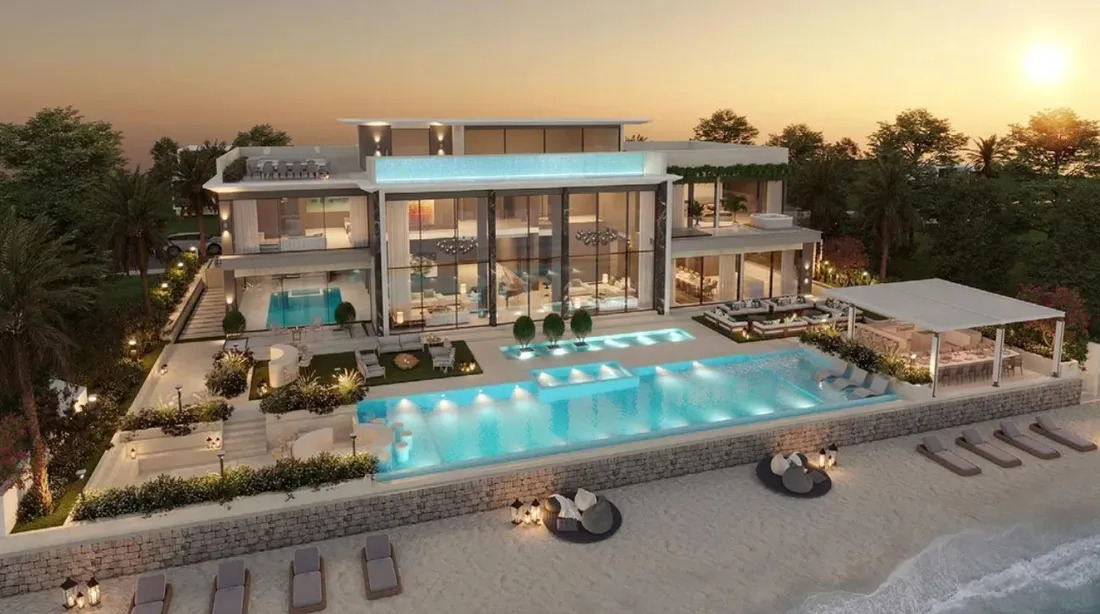
Premium villa communities and luxury waterfront properties continue attracting strong interest because of limited supply and growing lifestyle demand.
High-demand luxury communities include:
- Palm Jumeirah
- Dubai Hills Estate
- Emirates Hills
These communities continue benefiting from:
- Limited premium inventory
- Strong family demand
- Luxury lifestyle positioning
- International buyer activity
Luxury villas and branded residences are increasingly viewed as long-term wealth assets.
Mainstream Apartments Are Entering a More Competitive Phase
Apartment communities continue attracting strong demand, particularly in central and transit-connected areas.
However, as thousands of new units enter the market, buyers and tenants now have:
- More choices
- Greater flexibility
- Stronger negotiating power
Communities such as:
- Jumeirah Village Circle
- Dubai South
are seeing increased competition because of expanding inventory pipelines.
This is encouraging investors to focus more on:
- Community quality
- Developer reputation
- Occupancy performance
- Long-term demand fundamentals
4. Ready Properties Are Gaining More Attention
While off-plan investments remain attractive for strategic buyers, many investors are increasingly prioritizing completed and ready-to-move-in properties.
Ready properties offer:
- Immediate rental income
- Established community visibility
- Tangible asset confidence
- Existing occupancy trends
- Faster move-in opportunities
Buyers are placing growing importance on:
- Construction quality
- Developer reliability
- Livability
- Community maturity
This shift reflects a more experience-focused and long-term investment mindset.
5. Infrastructure-Led Growth Will Shape Future Hotspots
Infrastructure continues playing a major role in shaping Dubai’s next growth corridors.
Areas connected to:
- Expo City Dubai
- Al Maktoum International Airport
- Dubai South
are increasingly attracting long-term investor attention because of future connectivity and economic expansion.
Upcoming projects such as the:
- Dubai Metro Blue Line
are expected to further strengthen accessibility and community demand across multiple districts.
Infrastructure Expansion Often Supports
- Commercial activity
- Population growth
- Tenant demand
- Long-term appreciation
- Community development
Investors are increasingly tracking infrastructure plans when identifying future growth opportunities.
6. Data-Driven Investing Is Becoming the Standard
Modern investors are relying more on:
- Occupancy analytics
- Rental performance
- Supply pipeline analysis
- Infrastructure forecasts
- Community demand data
This shift toward data-driven investing is helping buyers make:
- Smarter location decisions
- Better asset comparisons
- More strategic long-term investments
Platforms like PropertyStellar help investors analyze market insights, compare opportunities, and make informed property decisions using intelligent technology and real-time analytics.
Key Trends Shaping Dubai’s Next Real Estate Cycle
| Trend | Market Impact |
|---|---|
| Stabilized Growth | Supports sustainable appreciation |
| Rising End-User Demand | Creates market stability |
| Luxury Villa Demand | Strengthens premium segments |
| Expanding Apartment Supply | Increases market competition |
| Ready Property Preference | Supports occupancy-driven demand |
| Infrastructure Expansion | Creates future growth corridors |
| Data-Driven Investing | Improves investment strategy |
Dubai’s property market is evolving into a more balanced, mature, and fundamentally driven investment landscape.
The next phase of growth is increasingly shaped by:
- Long-term residency demand
- Infrastructure-led expansion
- Lifestyle-focused communities
- Luxury market resilience
- Smart data-driven investing
- Sustainable appreciation trends
As Dubai continues strengthening its global position, investors who focus on quality assets, strong communities, and long-term market fundamentals are increasingly positioned for sustainable real estate success.
Frequently Asked Questions (FAQs)
1. Is Dubai’s property market still growing in 2026?
Yes. Dubai’s market continues growing through more stable and sustainable appreciation supported by infrastructure, population growth, and investor demand.
2. Why are luxury villas performing strongly in Dubai?
Luxury villas continue attracting strong demand because of limited supply, premium lifestyle appeal, and growing international buyer interest.
3. Why are ready properties becoming more popular?
Many buyers prefer ready properties because they offer immediate usability, established communities, and faster rental opportunities.
4. How does infrastructure affect Dubai real estate?
Infrastructure improves accessibility, commercial activity, tenant demand, and long-term appreciation potential.
5. Which areas are attracting future growth attention?
Areas such as Dubai South, Expo City Dubai, and communities connected to the Dubai Metro Blue Line are attracting growing investor interest because of future infrastructure expansion.