What Will Happen to Dubai Property Prices by 2028?
Tuesday, 19 May 2026
Table of Contents
- What Will Happen to Dubai Property Prices by 2028?
- What could happen to Dubai property prices by 2028?
- Dubai Is Expected to Continue Growing Through 2028
- Prime Communities May Continue Leading Growth
- Infrastructure Development Could Shape Future Prices
- Supply Growth Will Create a More Balanced Market
- Rental Yields Could Remain Globally Competitive
- Data-Driven Investing Will Become More Important
- Dubai Property Market Outlook by 2028
- What Investors Should Watch Closely
- FAQs
What Will Happen to Dubai Property Prices by 2028?
Dubai’s real estate market has entered a more mature and data-driven growth cycle. After several years of strong momentum, investors are now looking ahead to one important question:
What could happen to Dubai property prices by 2028?
While no market follows a straight line, most forecasts point toward continued long-term growth supported by:
- Population expansion
- Infrastructure investment
- International investor demand
- Economic diversification
- Limited supply in prime segments
At the same time, Dubai’s market is becoming more selective, meaning some communities may outperform others based on demand, location, and future development plans.
Dubai Is Expected to Continue Growing Through 2028
Dubai’s long-term vision continues attracting businesses, entrepreneurs, global talent, and international investors.
Forecasts suggest Dubai’s population could exceed 4 million residents by 2028, creating ongoing housing demand across residential communities.
Key Drivers Supporting Property Prices
- Population growth
- Golden Visa initiatives
- Corporate relocations
- Tourism expansion
- Infrastructure investment
- International wealth migration
This demand is expected to support property values across both ready and off-plan markets.
Prime Communities May Continue Leading Growth
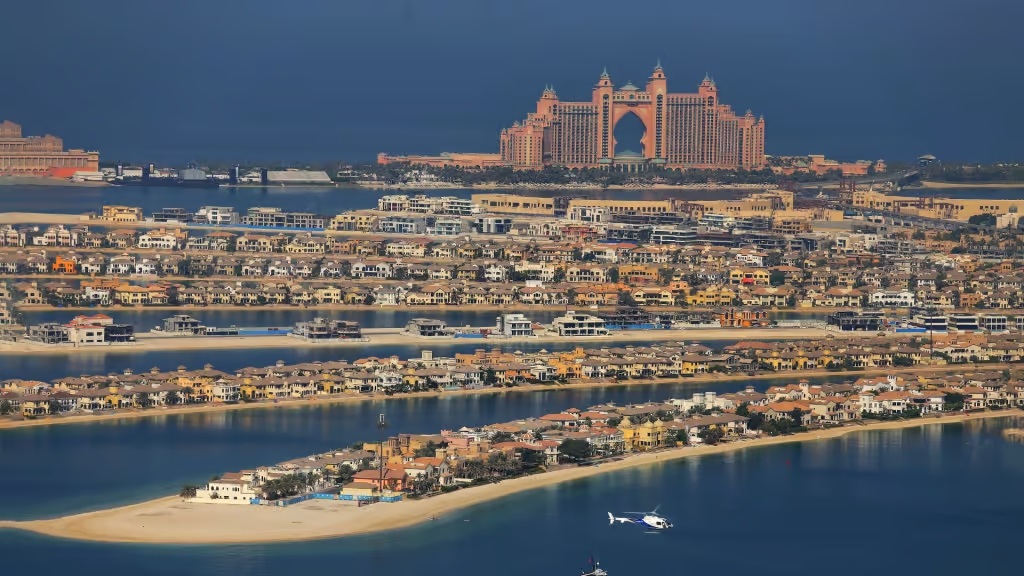
Not all areas will move at the same pace.
Data suggests that prime waterfront and supply-constrained communities could continue outperforming broader market averages through 2028.
High-interest communities include:
- Dubai Marina
- Palm Jumeirah
- Dubai Creek Harbour
- Dubai Hills Estate
- Dubai South
Why These Areas Attract Investors
- Strong rental demand
- Lifestyle infrastructure
- International buyer appeal
- Limited premium inventory
- Long-term appreciation potential
Infrastructure Development Could Shape Future Prices
Dubai’s infrastructure pipeline remains one of the strongest drivers of long-term real estate appreciation.
Major developments connected to:
- Al Maktoum International Airport
- Expo City Dubai
- Dubai Land Department initiatives
- Transport and metro expansion projects
continue creating new growth corridors across the city.
Dubai’s approved 2026–2028 government budget also allocates significant spending toward roads, bridges, and public transportation infrastructure.
Expected Impact by 2028
- Higher connectivity
- Increased community demand
- Improved accessibility
- Rising commercial activity
- Greater investor confidence
Historically, infrastructure-led areas in Dubai have shown strong long-term appreciation trends.
Supply Growth Will Create a More Balanced Market
Dubai is expected to see a significant wave of new residential supply delivered between 2026 and 2028.
Analysts estimate that hundreds of thousands of new units may enter the market during this period, especially within apartment-focused communities.
What This Means for Investors
The market may become:
- More competitive
- More quality-focused
- More driven by location and developer reputation
This could encourage:
- Stable long-term pricing
- Greater value differentiation
- Stronger focus on end-user demand
- Increased importance of data analysis
Luxury villas and premium waterfront properties may remain more supply-constrained compared to high-density apartment segments.
Rental Yields Could Remain Globally Competitive
Dubai continues offering attractive rental returns compared with many international cities.
Several communities continue generating strong rental yields, especially in:
- Jumeirah Village Circle
- Business Bay
- Dubai South
Forecasts suggest rental yields may stabilize at healthy levels rather than experience extreme fluctuations.
Rental Yield Formula
Rental Yield = (Annual Rental Income / Property Value ) × 100
This continues making Dubai attractive for investors focused on both income generation and long-term appreciation.
Data-Driven Investing Will Become More Important
By 2028, Dubai’s property market is expected to become even more analytics-focused.
Investors are increasingly using:
- Transaction data
- Occupancy analysis
- Rental trends
- Supply pipeline tracking
- Infrastructure forecasts
- Developer performance history
to guide investment decisions.
Advanced platforms like PropertyStellar help investors analyze market trends, compare communities, and identify future-focused opportunities with greater confidence.
Dubai Property Market Outlook by 2028
| Market Factor | Expected Outlook by 2028 |
|---|---|
| Population Growth | Continued expansion |
| Infrastructure Development | Strong government investment |
| Rental Demand | Healthy and stable |
| Luxury Segment | Strong long-term resilience |
| Mid-Market Apartments | More competitive supply |
| Investor Activity | Continued international interest |
| Data-Driven Investing | Increasingly important |
What Investors Should Watch Closely
As Dubai evolves, investors who focus on long-term fundamentals may find stronger opportunities through:
- Infrastructure-backed communities
- High-demand rental zones
- Supply-constrained luxury segments
- Data-driven investment analysis
- Strong developer track records
Rather than relying only on market headlines, successful investors are increasingly studying micro-market performance and future urban development trends.
Dubai’s property market by 2028 is expected to become more sophisticated, transparent, and opportunity-driven.
While growth may become more selective across communities, the city’s strong economic vision, infrastructure investment, and global investor appeal continue supporting long-term confidence in the market.
For investors seeking clarity in a rapidly evolving market, platforms like PropertyStellar provide valuable insights to help identify stronger investment opportunities and smarter long-term strategies.
FAQs
1. Will Dubai property prices continue rising by 2028?
Many forecasts suggest Dubai property prices could continue experiencing moderate long-term growth, especially in high-demand and infrastructure-backed communities.
2. Which Dubai communities may perform strongly by 2028?
Areas such as Dubai South, Dubai Hills Estate, and Dubai Creek Harbour continue attracting investor attention due to infrastructure and lifestyle growth.
3. How does infrastructure influence Dubai property values?
Major infrastructure projects improve accessibility, increase demand, and create new business and residential opportunities that can support long-term appreciation.
4. Will rental yields remain attractive in Dubai?
Dubai is expected to continue offering competitive rental yields compared to many global cities, especially in high-demand residential communities.
5. How can PropertyStellar help investors plan for 2028?
PropertyStellar provides market analytics, community insights, rental trend analysis, and data-driven tools that help investors make informed Dubai real estate decisions for the future.