Prime vs Non-Prime Areas: Where to Invest in 2026
Sunday, 18 January 2026
The UAE real estate market continues to attract global and regional investors, and 2026 is shaping up to be a year of strong opportunities in both prime and non-prime communities. Whether you’re targeting premium, high-demand neighborhoods or emerging, high-growth areas, each segment offers unique advantages for different investment goals.
This guide breaks down the strengths of both categories to help investors make confident, future-ready decisions.
Table of Contents
- What Are Prime Areas?
- What Are Non-Prime Areas?
- Prime vs Non-Prime: Which Should You Choose in 2026?
- Frequently asked questions
What Are Prime Areas?
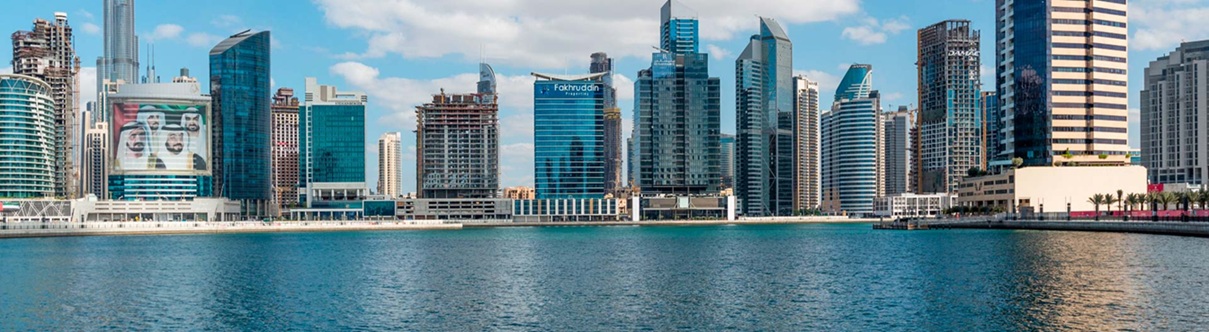
Prime areas are prestigious locations known for their premium lifestyle offerings, high demand, and strong long-term value. These areas typically feature luxury developments, iconic landmarks, and top-tier amenities.
Key Benefits of Investing in Prime Areas
- Strong capital appreciation due to consistent demand
- High rental yields from executives and luxury tenants
- Excellent liquidity — properties sell and rent quickly
- Prestigious lifestyle with access to elite malls, beaches, and premium facilities
Popular Prime Communities for 2026
Dubai:
- Downtown Dubai
- Dubai Marina
- Palm Jumeirah
- Business Bay
- JBR
Abu Dhabi:
- Saadiyat Island
- Al Maryah Island
- Yas Bay Waterfront
What Are Non-Prime Areas?
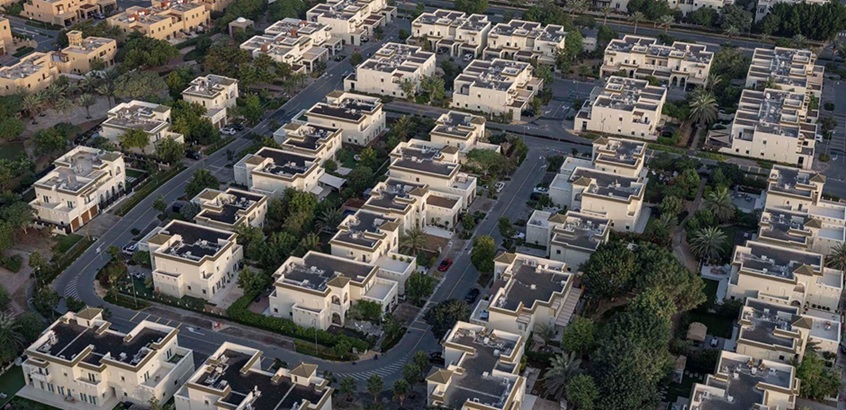
Non-prime areas include emerging or suburban communities offering great value, spacious homes, and strong potential for growth. These communities attract families, first-time buyers, and investors seeking affordable entry points.
Key Benefits of Investing in Non-Prime Areas
- Lower entry prices with excellent return potential
- Higher rental yields in many segments
- Rapid development and infrastructure growth
- Strong demand from end-users and long-term tenants
Popular Non-Prime Communities for 2026
Dubai:
- Jumeirah Village Circle (JVC)
- Dubai South
- Al Furjan
- Arjan
- MBR City — emerging clusters
Abu Dhabi:
- Al Reem Island
- Al Raha Beach
- Khalifa City
- Masdar City (high sustainability appeal)
Prime vs Non-Prime: Which Should You Choose in 2026?
Choose Prime Areas If:
- You prefer high-end tenants and premium rental income
- You plan to invest in luxury or branded residences
- You want stable long-term appreciation
- You value prestige and exclusivity
Choose Non-Prime Areas If:
- You aim for higher ROI with a lower purchase price
- You want to target families and long-term residents
- You seek fast-growing areas with new infrastructure
- You prefer affordable entry points with strong yields
Investment Outlook for 2026
- Prime areas are expected to maintain strong stability and appreciation, supported by limited supply and consistent global demand.
- Non-prime areas are projected to deliver strong growth as new metro extensions, schools, malls, and business districts expand outward.
- Both categories offer excellent opportunities, depending on the investor’s strategy — luxury-focused, rental-income-focused, or long-term appreciation-focused.
Frequently Asked Questions (FAQs)
Are prime areas still worth investing in 2026?
Absolutely. Prime locations continue to offer strong demand, high-quality tenants, and excellent long-term value.
Can non-prime areas deliver good returns?
Yes, many non-prime areas offer impressive rental yields and great potential for value growth due to new developments and infrastructure.
Which segment suits new investors?
Non-prime areas are ideal for first-time investors because they offer accessible pricing and steady rental demand.
Are prime properties better for luxury rentals?
Yes, prime communities consistently attract executive tenants and overseas professionals seeking a premium lifestyle.
Is it good to diversify between prime and non-prime?
Many investors choose a balanced portfolio—prime for stability and prestige, non-prime for higher yields and growth potential.